The social implications of gambling in modern society Understanding the impacts on community dynamics and individual behavior with FIFA World Cup 2026 Betting tips
The Rise of Gambling in Contemporary Society
Gambling has transformed from a niche pastime into a mainstream activity, influenced significantly by the digital age and the proliferation of online platforms. With events like the FIFA World Cup drawing global attention, betting on these occasions has become a social norm for many, as you can find comprehensive advice at the WC 2026 football tips hub WorldCup2026BettingTips. This shift has resulted in gambling being woven into the fabric of social interactions, where placing bets is not merely a personal decision but a communal experience that fosters discussion and camaraderie among peers.
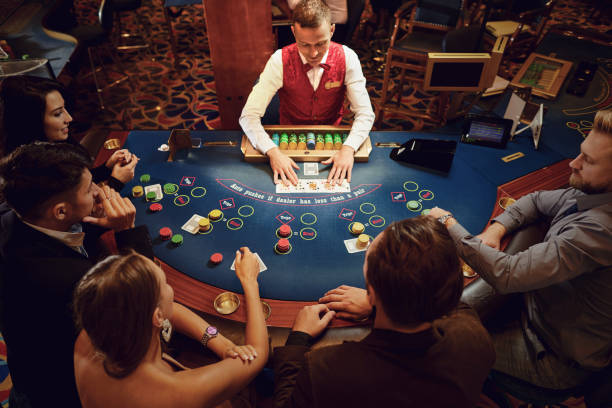
The accessibility of gambling options, especially online, has democratized betting, allowing individuals from various socio-economic backgrounds to participate. However, this rise in participation also brings potential risks, as some individuals may struggle with impulse control or develop addictive behaviors. The normalization of gambling through social media and advertising raises questions about the long-term effects on community dynamics and individual responsibility, especially as the visibility of events like the FIFA World Cup amplifies gambling activities.
Moreover, the intertwining of sports and betting has resulted in a cultural shift where outcomes can significantly impact not only individual emotions but also community morale. Winning or losing bets can influence local celebrations or hardships, thus affecting the social fabric of communities. As betting becomes a shared experience, understanding its implications is crucial for fostering responsible gambling habits and supporting those who may be vulnerable to its negative consequences.
The Psychological Impacts of Gambling
The psychological effects of gambling extend far beyond mere financial implications. For many, the thrill of placing bets can lead to emotional highs and lows, mirroring the fortunes of their favorite teams. This emotional investment can enhance the enjoyment of sporting events like the FIFA World Cup, creating a sense of unity among bettors. However, this excitement can quickly spiral into anxiety and despair when bets are lost, revealing a complex relationship between gambling and mental health.
Research suggests that the excitement associated with gambling can trigger dopamine release in the brain, mimicking the reactions found in substance addiction. This neurochemical response can cultivate a cycle where individuals continuously chase the next win, often ignoring the potential consequences. As community dynamics evolve, the social acceptance of gambling may inadvertently encourage unhealthy behaviors, making it imperative to address these psychological implications through education and outreach.
Furthermore, individuals may feel peer pressure to engage in gambling activities, especially during major sporting events. This social expectation can lead to a blurred line between leisure and compulsion, where individuals might bet more than they can afford, risking not just their finances but also their relationships. Recognizing the psychological toll of gambling is essential for developing effective support systems within communities, particularly as the FIFA World Cup approaches and betting activities intensify.
Community Dynamics and Gambling Culture
The cultural landscape surrounding gambling is rapidly evolving, particularly during significant events like the FIFA World Cup. Communities often rally around shared interests in sports, and betting serves as a means to enhance collective experiences. However, this bonding can also lead to a culture where gambling is perceived as a rite of passage or a social obligation, complicating the relationship between enjoyment and risk.
This shared enthusiasm can foster both positive and negative community dynamics. On one hand, it can build camaraderie and enhance social interactions, as friends gather to celebrate wins and commiserate losses. On the other hand, the potential for irresponsible betting can create division and conflict within communities, particularly when individuals face financial difficulties. The communal aspect of betting during events underscores the need for awareness and education about responsible gambling practices to mitigate adverse effects on community ties.
Moreover, the influence of local economies cannot be overlooked. In areas where betting is prominent, local businesses may benefit from increased patronage, especially during major sporting events. However, this economic boost may come at a cost if gambling leads to addiction and financial instability among residents. As such, community leaders must navigate the delicate balance between encouraging economic growth through gambling activities and safeguarding the well-being of their constituents.
Responsible Gambling and Individual Behavior
As gambling becomes more embedded in modern society, fostering a culture of responsible gambling is vital. Education and awareness initiatives can empower individuals to make informed decisions about their betting habits, especially during high-stakes events like the FIFA World Cup 2026 Betting tips. Responsible gambling encompasses setting limits, understanding the odds, and recognizing the signs of potential addiction, all of which are crucial for maintaining healthy relationships with gambling.
Individuals must also cultivate self-awareness regarding their behavior and motivations for gambling. By reflecting on their reasons for betting—whether for entertainment, social engagement, or emotional escape—people can better navigate their gambling activities. Promoting self-regulation and mindfulness can lead to healthier betting practices, encouraging individuals to view gambling as a form of entertainment rather than a financial strategy.
Community programs can play an essential role in promoting responsible gambling. By fostering environments where discussions about gambling are encouraged, communities can support individuals struggling with their betting habits. Such initiatives can create safe spaces for individuals to seek help and share their experiences, ultimately leading to healthier gambling practices and stronger community bonds. Addressing the social implications of gambling is not just an individual responsibility; it is a communal endeavor that requires collective action.
Insights from WorldCup2026BettingTips.com
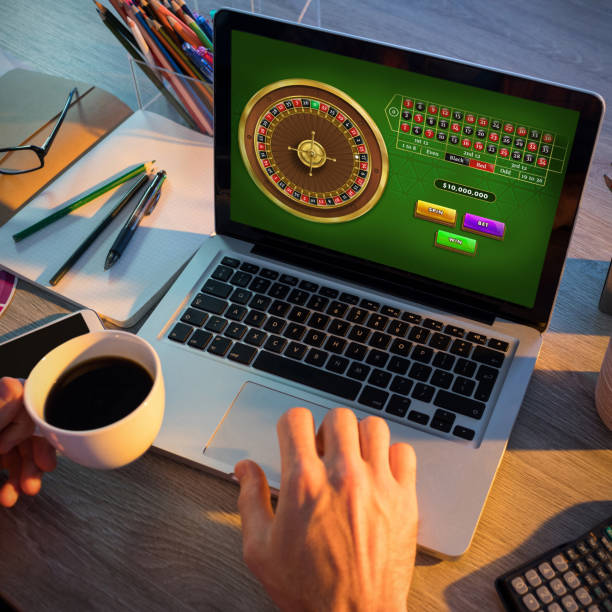
As the FIFA World Cup 2026 approaches, platforms like WorldCup2026BettingTips.com are invaluable for those looking to engage in responsible betting. The site offers expert insights and data-driven predictions to guide users in making informed decisions, ensuring that they approach betting with both excitement and caution. By analyzing team performance, match context, and historical data, the platform helps users recognize where probabilities and odds align.
WorldCup2026BettingTips.com empowers both novice and seasoned bettors by providing a comprehensive understanding of the complexities of tournament betting. Its approach emphasizes critical thinking and analysis, steering users away from impulsive betting decisions and towards a more informed strategy. This aligns with the broader goal of promoting responsible gambling habits in a rapidly changing landscape.
Ultimately, as gambling continues to shape social interactions and community dynamics, having access to reliable resources can make a significant difference. By utilizing the tools and insights offered by platforms like WorldCup2026BettingTips.com, individuals can enjoy the excitement of betting on the FIFA World Cup while fostering responsible habits that benefit both themselves and their communities.